01
From Quick Hill to Kingsland
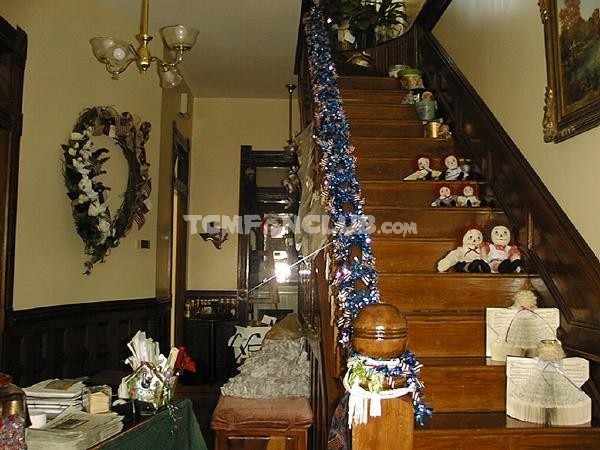
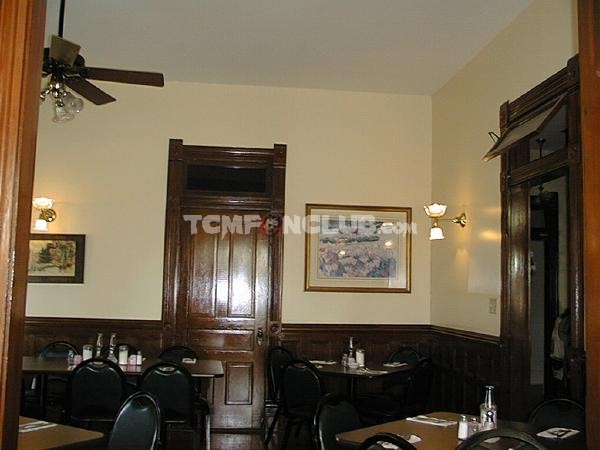
The farmhouse that became the Sawyer family home stood on Quick Hill near Round Rock, Texas. Dennis and Barbara Thomas purchased the building and moved it to Kingsland in 1998, where it was restored across from the Antlers Inn and opened as a restaurant.
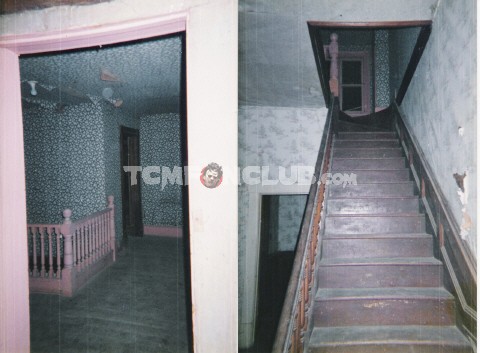
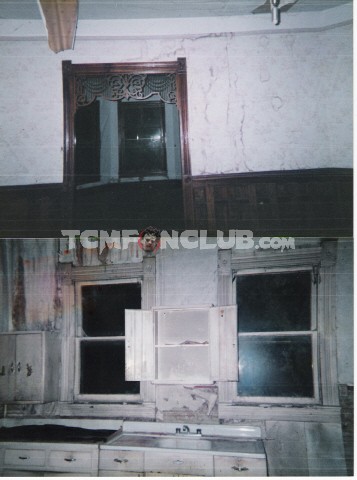
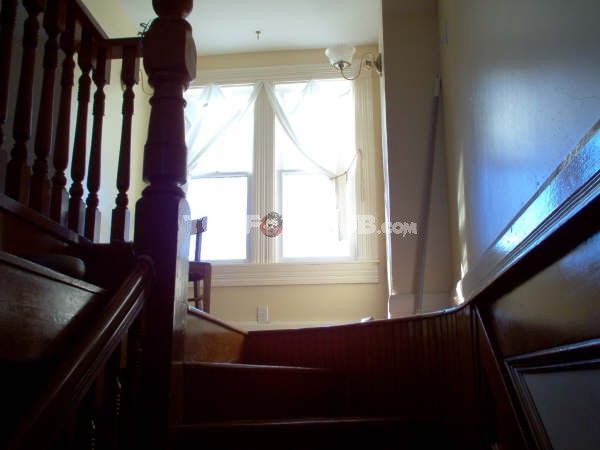
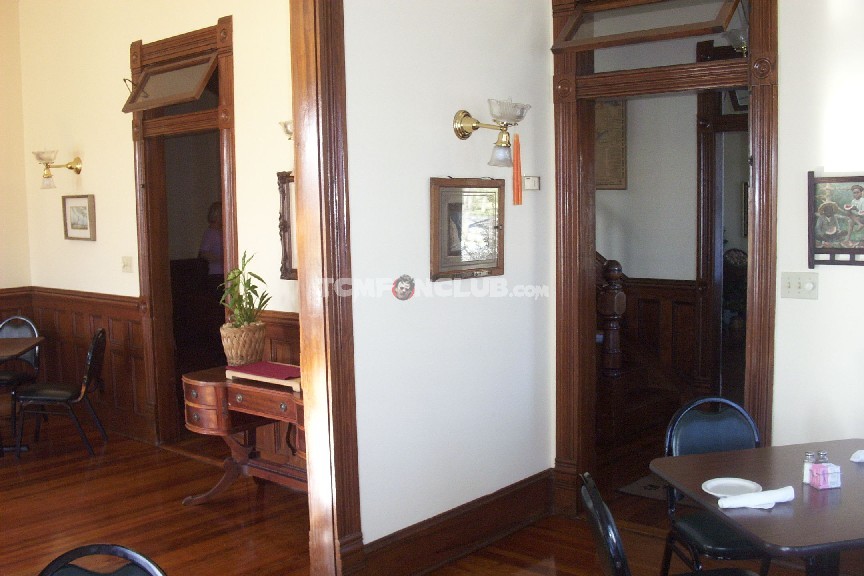
The relocation saved one of the film’s most important physical landmarks. Visitors can now study the porch, windows, roofline, decorative trim, and interior proportions without entering the private land where the original production took place.
On August 13, 1999, the River City Tribune published a feature on the restored house, then operating as the Kingsland Old Town Grill.

02
The architect and the plan
George Franklin Barber was a Knoxville architect whose mail-order designs spread across the United States and beyond during the late Victorian period. Through publications such as American Homes, buyers could order plans ranging from small cottages to elaborate three-story houses.
Barber often customized a standard design for an individual customer. That practice made many surviving Barber houses variations rather than exact copies, and complete duplicate plans were not always retained.
Three closely related houses were built near Quick Hill at the beginning of the twentieth century. The film house is now in Kingsland. Another, known as the Burkland-Frisk or sister house, stood nearby. The fate of the third is uncertain.
The houses were likely assembled from plans and pre-cut lumber supplied through a local company. Decorative gingerbread, brackets, and other millwork could be delivered with the structural material. Local craftsman Carl Carlson is believed to have built the three houses.
03
Life before the film
Betty Sellstrom Hester grew up in the farmhouse after her parents, Robert and Nina Sellstrom, purchased it in the early 1940s. The house needed substantial work, including refinishing floors and woodwork after years as a rental property.
The Sellstrom farm produced cotton, corn, maize, vegetables, cattle, milk, pigs, turkeys, chickens, and eggs sold to hatcheries and Austin grocery stores. Family memories describe Swedish cooking, holiday bread, and a 1949 wedding reception that brought hundreds of guests to the property.
Stuart and Rebecca Isgur rented the farm beginning in 1971. Their family gardened, raised chickens, cared for peach trees, cooked on a large Chambers stove, and hosted friends from many parts of Austin life. That stove and the family deep freeze can be seen in the finished film.
Nick Wallingford also lived on the farm for a summer, baking bread and experimenting with natural foods before later becoming a professional baker and a leader in New Zealand’s beekeeping community.
04
The Chain Saw summer
Ron “Smokey” Isgur held the lease during the 1973 production. The filmmakers found the property through connections formed around a softball team sponsored by art director Robert Burns’s commercial art company.
Once the house was selected, its lived-in rooms and accumulated farm structures became the production’s greatest ready-made set. Burns and the art department transformed the interior without erasing the building’s authentic rural character.
The summer shoot became notorious for its heat, long hours, odors, and physical strain. Crew members later credited Sally Nicolaou’s daily catering with holding the production together. She prepared casseroles, bread, pies, cheesecakes, biscuits, and other meals at home before transporting them to roughly forty people on set.
Nicolaou was married to soundman Ted Nicolaou and completed the catering while caring for her young daughter and listening to the Watergate hearings. She later opened the Waller Creek Cafe and worked as a set decorator.
05
After the cameras left
In the late 1970s, new residents occupied the house while studying at the University of Texas. They gardened, raised animals, cooked elaborate meals, and learned quickly that fans had begun making regular trips to see the location.
County Road 172 was rerouted around the hill in 1985, making access increasingly difficult. The house remained occupied into the 1990s before being sold, removed from Quick Hill, and restored in Kingsland.
Its survival gives the archive something rare: a major independent-film location that can still be experienced as a real building rather than only through photographs. The house’s history extends far beyond the production, but the film helped ensure that its architecture and stories were not forgotten.